Του Γιώργου Λεκάκη
Το σπήλαιο Καλαμάκια, μια τοποθεσία
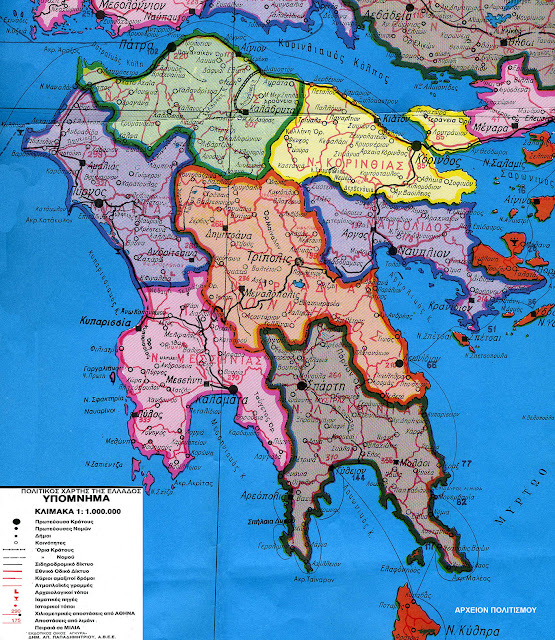
με κατοίκηση τουλάχιστον κατά την Μέση Παλαιολιθική εποχή στην δυτική ακτή της
χερσονήσου της Μάνης, ανασκάφηκε το 1993 – 2006 από μια διεπιστημονική ομάδα,
από την Εφορεία Παλαιοανθρωπολογίας και Σπηλαιολογίας (του υπουργείου
Πολιτισμού της Ελλάδας) και το Εθνικό Μουσείο της Ιστορίας του Παρισιού.
Η τοποθεσία χρονολογείται
μεταξύ 100.000 – 39.000 χρόνια πριν από σήμερα. Έχει δώσει ευρήματα της Μουστεριανής
λίθινης εποχής, πλούσια πανίδα και ανθρώπινα λείψανα από πολλά στρώματα.
Ανθρώπινα είναι 10 δόντια,
ένα κρανιακό θραύσμα και τρία κρανιακά στοιχεία. Αντιπροσωπεύουν τουλάχιστον 8
άτομα, δύο από αυτά υποενήλικα. Μπορούν να αναγνωριστούν ως Νεάντερταλ, με βάση
τη, διαγνωστική μορφολογία στα περισσότερα δείγματα. Οδοντικές αναλύσεις
έδειξαν μια δίαιτα παρόμοια με αυτή των Νεάντερταλ, από μεικτό βιότοπο, σε συμφωνία
με την πανίδα της τοποθεσίας.
Αυτά τα νέα απολιθώματα
επεκτείνουν σημαντικά το δείγμα του Νεάντερταλ που είναι γνωστό από την Ελλάδα.
Μαζί με τα ανθρώπινα δείγματα από την Λακωνίδα και το Απήδημα, τα ανθρώπινα
λείψανα στα Καλαμάκια προσθέτουν πολλά στις αυξανόμενες ενδείξεις ισχυρής
παρουσίας Νεάντερταλ στην περιοχή της Μάνης κατά το Ύστερο Πλειστόκαινο.
ΠΗΓΗ: Katerina Harvati, Andreas Darlas,
Shara E. Bailey, Thomas R. Reina, Sireen El Zaatarie, Luca Fiorenza, Ottmar Kullmer,
Eleni Psathi «New Neanderthal remains from Mani peninsula, Southern Greece: The Kalamakia Middle Paleolithic cave site», στο Journal of
Human Evolution, https://doi.org/10.1016/j.jhevol.2013.02.002,
Volume 64, Issue 6, Ιουνίου 2013, σελ. 486-499. Γ. Λεκάκης “Λακώνων Γη”. ΑΡΧΕΙΟΝ ΠΟΛΙΤΙΣΜΟΥ, 8.8.2013.

The Kalamakia cave, a Middle Paleolithic site on the western coast of
the Mani peninsula, Greece, was excavated in 1993–2006 by an interdisciplinary
team from the Ephoreia of Paleoanthropology and Speleology (Greek Ministry of
Culture) and the Muséum national d’Histoire naturelle (Paris). The site is
dated to between ca. 100,000 and > 39,000 years BP (Before Present) and has
yielded Mousterian lithics, a rich fauna, and human remains from several
layers. The latter include 10 isolated teeth, a cranial fragment and three
postcranial elements. The remains represent at least eight individuals, two of
them subadults, and show both carnivore and anthropogenic modifications. They
can be identified as Neanderthal on the basis of diagnostic morphology on most
specimens. A diet similar to that of Neanderthals from mixed habitat is
suggested by our analysis of dental wear (occlusal fingerprint analysis) and
microwear (occlusal texture microwear analysis), in agreement with the faunal
and palynological analyses of the site. These new fossils significantly expand
the Neanderthal sample known from Greece. Together with the human specimens
from Lakonis and Apidima, the Kalamakia human remains add to the growing
evidence of a strong Neanderthal presence in the Mani region during the Late
Pleistocene.